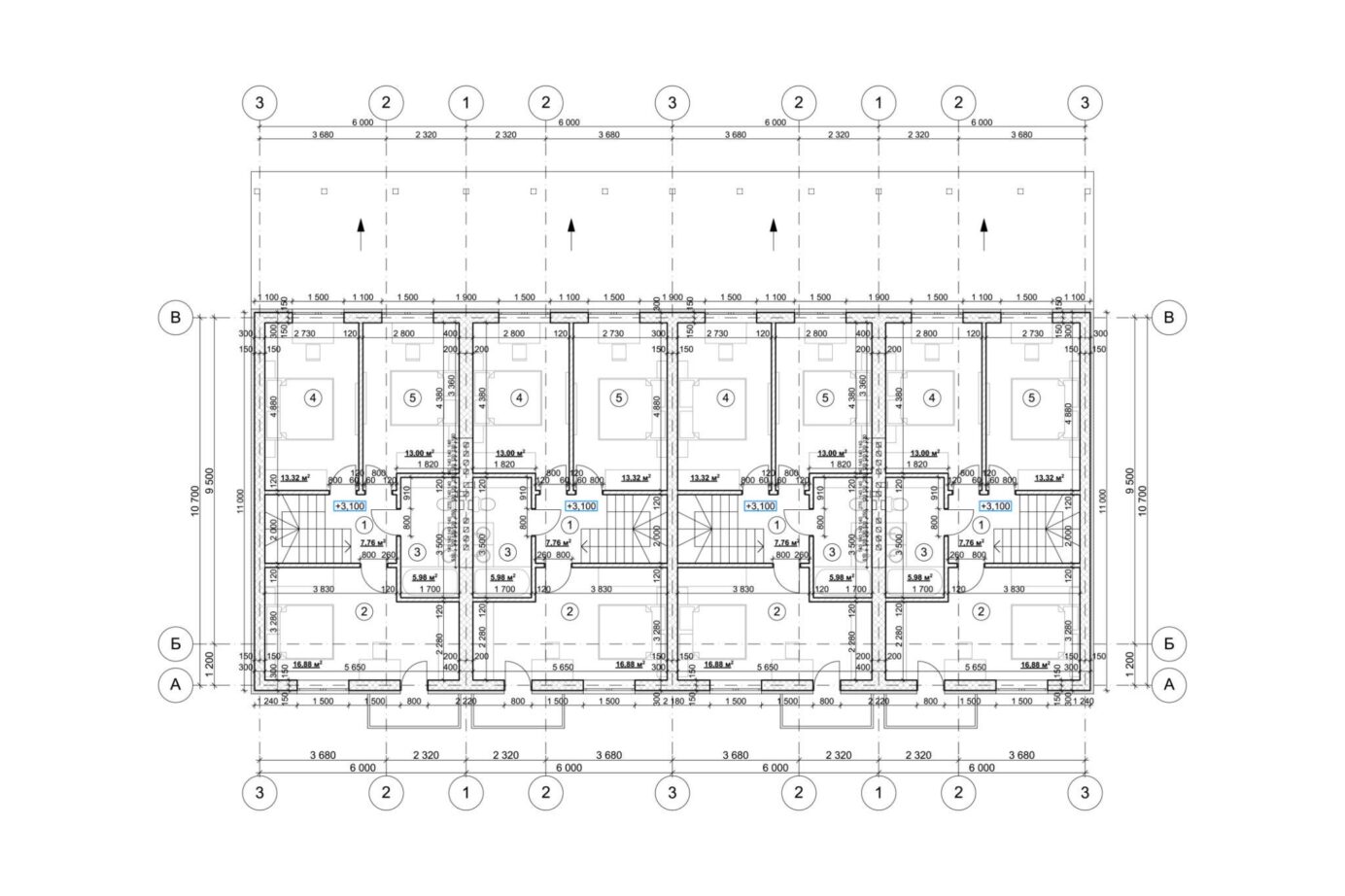
Buying a pre-construction condo from a builder in Toronto is exciting. New finishes, modern layouts, and the promise of a brand-new home. But there’s one document many buyers underestimate—or never properly review at all: the drawings.
Floor plans, elevations, site plans, and disclosure sketches are not just marketing materials. They are legally significant documents that define what you are actually purchasing. If there are mistakes, inconsistencies, or unfavourable changes—and they aren’t caught early—it can become extremely expensive, or even impossible, to fix later.
Drawings Are Part of the Legal Deal (Not Just Pretty Pictures)
In most builder agreements of purchase and sale in Toronto, the drawings are incorporated by reference into the contract. That means:
• Your unit size, layout, balcony, ceiling heights, parking, locker, and even views may be defined by these drawings
• The builder’s obligations are often tied to what is shown on paper, not what was said verbally or shown in a sales centre model
• If there’s a discrepancy between what you thought you were buying and what the drawings show, the drawings usually win
Many buyers rely on sales brochures or verbal assurances like “that wall can’t move” or “all units face south.” Those statements are rarely enforceable if they conflict with the actual drawings.
Common (and Costly) Drawing Issues Buyers Miss
Here are some of the most frequent problems that show up in condo drawings—and why they matter:
1. Unit Size Reductions
A few square feet may not sound like much, but over a 500–700 sq. ft. unit, small changes add up. Builders are often allowed a tolerance, and buyers who don’t understand the drawings may later discover their unit is materially smaller than expected—with no compensation.
2. Balcony and Terrace Errors
Is your balcony exclusive-use or common element? Is it partially enclosed? Does it project less than advertised? Drawings often reveal limitations that marketing materials gloss over.
3. Window and View Changes
Drawings may show future buildings, mechanical structures, or sightline obstructions that block views buyers assumed were permanent. Once the project is built, there’s no undoing this.
4. Parking and Locker Placement
Not all parking spaces are equal. Some are near pillars, have clearance issues, or are located far from elevators. Locker size and location can also differ from expectations if not reviewed carefully.
5. Ceiling Height and Bulkheads
Mechanical chases, dropped ceilings, and bulkheads are frequently disclosed in drawings but not highlighted in showrooms. These can significantly affect livability, resale value, and even furniture placement.
“We’ll Fix It Later” Is Rarely an Option
One of the most dangerous assumptions Toronto buyers make is believing mistakes can be corrected after closing.
In reality:
• Builders often rely on contractual clauses allowing changes
• Tarion warranty does not cover design choices shown in approved drawings
• Post-closing remedies are limited and litigation is costly
• The unit is usually deemed accepted once interim or final closing occurs
By the time keys are released, your leverage is often gone.
Why Legal Review of Drawings Is Critical
A proper legal review doesn’t just look at price and closing dates. It includes:
• Comparing drawings against marketing materials and schedules
• Identifying clauses that allow size, layout, or feature changes
• Flagging red flags that affect value, use, or resale
• Advising whether risks are acceptable—or worth walking away from
This is especially important in Toronto-area developments, where density, phased construction, and surrounding future projects can materially impact what you end up with.
The Bottom Line
Condo drawings are not an afterthought. They are the blueprint of your purchase—literally and legally.
Catching issues early can:
• Save you tens of thousands of dollars
• Prevent years of frustration
• Protect resale value
• Avoid costly disputes you may never win
If you’re buying a condo from a builder in Toronto, don’t just fall in love with the model suite. Make sure the drawings back it up.
If you want help reviewing a condo purchase agreement in Toronto, or understanding what the drawings really mean for your unit, that review could be the most valuable part of the entire transaction.
Call us today to see how Capulli Law LLP can help you.
Related Articles:
What is a Status Certificate?
Land Transfer Tax
What is a Special Assessment?
Is your Condo Reserve Fund Adequate?