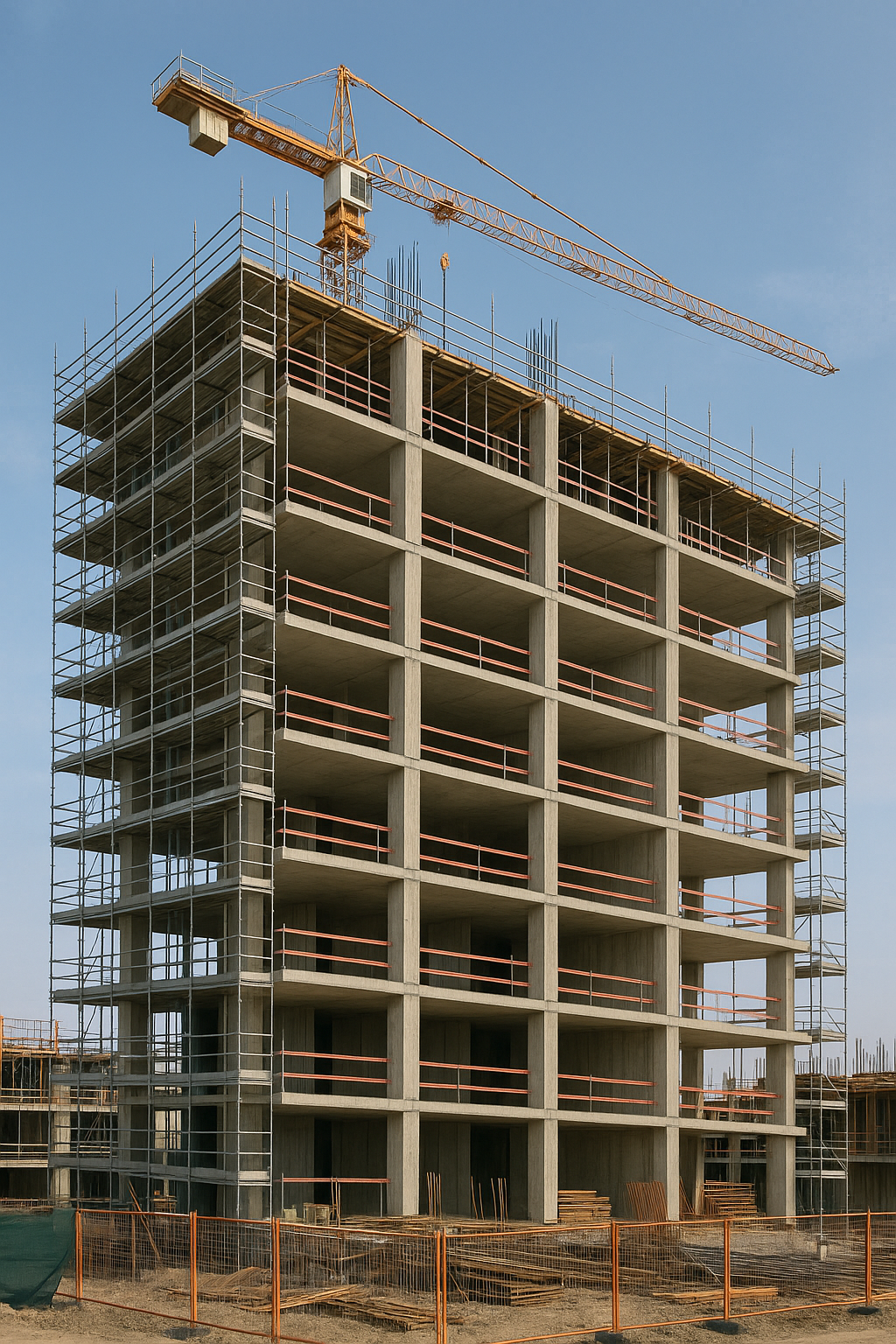
While buying a pre-construction property in Ontario can offer several benefits, there are also some potential downsides and risks that buyers should be aware of before making a purchase.
Here are the key disadvantages:
1. Delayed Occupancy or Construction Delays
• Delays in Completion: Pre-construction properties are subject to construction timelines, which may be delayed due to a variety of factors (e.g., supply chain issues, labor shortages, zoning changes, or weather conditions). This means you may not be able to move in when expected, and the builder may push back the closing date by several months or even longer.
• Uncertainty: Unlike buying a resale home where you know exactly what you’re getting, with pre-construction, you’re relying on the builder’s schedule, and delays are common.
2. Higher Prices at Closing
• Price Appreciation: Pre-construction properties are typically purchased at the current market rate, which may not reflect future price increases. By the time your property is completed, the market could have changed, and you might end up paying more than you would have if you waited for the property to be completed.
• Closing Costs: In addition to the purchase price, there may be other hidden fees or additional costs associated with the closing, such as development charges, utility hook-up fees, and condo fees. These costs can significantly increase the final amount you pay when you close the deal.
3. Changes to the Final Product
• Differences from the Model: What you see in the sales center or marketing materials (e.g., floor plans, renderings, model units) may not be exactly what you receive when the building is completed. Changes in design, finishes, or layouts can occur during construction, and the final product might differ from what you initially expected or were promised.
• Upgrades and Additions: While some properties allow you to choose finishes and upgrades, there can be additional costs for making these changes, and some options might not be as desirable as what was originally advertised. This can lead to dissatisfaction if the final design doesn’t align with your vision.
4. Market Fluctuations
• Uncertainty in Market Conditions: When you purchase pre-construction, you’re committing to the price at the time of purchase, but by the time your home is completed, the market could be significantly different. A potential market downturn (e.g., a housing price crash or economic recession) could lead to lower property values at the time of completion, which might mean you’re paying more than the property is worth.
• Interest Rates: If you’re financing the purchase with a mortgage, rising interest rates could increase your monthly payments or make the overall cost of your home more expensive. This can create financial pressure, especially if the market conditions change between the time you sign the agreement and when you close.
5. Not Immediately Move-In Ready
• Inability to Move in Right Away: With a pre-construction purchase, you are often required to wait for several months or even years before the property is ready. If you’re renting or need a place to live right away, this delay can be problematic.
• Temporary Housing: You may need to find temporary housing in the meantime, which can be an inconvenience and add additional costs to your move.
6. Lack of Physical Inspection
• Can’t See the Finished Product: With pre-construction, you are buying a property that hasn’t been built yet, so you can’t inspect it in its final form before purchasing. You may miss issues that could become apparent only once construction is completed (e.g., construction defects, poor workmanship, etc.).
• Limited Inspection Opportunities: Even if you are allowed to view the construction site, it might not be in a state where you can identify potential problems or evaluate the quality of work being done.
7. Developer Risk
• Financial Stability of the Developer: If the developer runs into financial trouble or goes bankrupt, your project could be delayed indefinitely or even canceled. This risk is especially present in larger projects or during times of economic uncertainty.
• Quality of Work: Not all developers have the same reputation or standards. You may encounter issues with the quality of the build, and sometimes these issues aren’t apparent until after you’ve taken possession of the property.
8. Deposit Structure and Risk
• Large Upfront Deposits: In Ontario, builders typically require deposits that can range from 5% to 20% of the purchase price over the course of the construction period. While this allows you time to save, it also means you have a large amount of money tied up in the property, sometimes for years, before you actually take possession.
• Loss of Deposit: If something goes wrong with the transaction (e.g., you can’t close on the property or decide not to go through with the purchase), you may lose your deposit, or part of it. This risk is a significant downside compared to buying an already built home.
9. Property Taxes and Fees
• Development Levies and Fees: Pre-construction homes, especially condos, are subject to development charges and other associated costs (e.g., local fees for transit, schools, or infrastructure). These additional charges can be substantial, and buyers may not fully anticipate their impact.
• Property Taxes: Pre-construction homes might have lower property taxes in the early stages, but once the development is complete and the local infrastructure is fully in place, property taxes could rise. You may face higher tax bills than originally anticipated when the home is finished.
10. No Immediate Ability to Rent Out the Property
• Rental Restrictions: In some new developments, particularly in condo buildings, the developer might impose restrictions on renting out the unit in the first few years after completion. This could limit your ability to generate rental income if your plans change.
11. Potential for Overpaying
• Price Inflation: If you’re purchasing in a hot market where demand is high, pre-construction prices might be inflated compared to the actual value of the property once it’s completed. You could end up overpaying for a unit, especially if the market shifts during the construction period.
12. Longer Term Commitment
• Extended Timeline: The timeline from purchase to move-in for pre-construction homes can be long, sometimes taking several years. This is a big commitment, and during that time, your financial situation or personal circumstances could change. You may not be able to move in as planned, and you might not want to wait several years before living in the property.
________________________________________
While buying pre-construction in Ontario can be an exciting opportunity, it comes with several risks and drawbacks, including potential delays in construction, the inability to physically inspect the finished property, market fluctuations, and the possibility of overpaying. Additionally, you may face significant upfront deposits, long timelines, and unexpected closing costs. It’s essential to carefully consider these factors and ensure you’re financially and emotionally prepared for the potential challenges before committing to a pre-construction purchase. Always do thorough research on the developer, the project, and market conditions to minimize risks.
Looking to purchase pre-construction? Call Capulli Law LLP today and see how we can help you.